






Published 27 Mar 2026
Evidence-based instructional practice – Colac Secondary College

Skye Bannan – Principal and Ingrid Sjolund – Assistant Principal for Teaching, Learning and Assessment
Colac Secondary College
Schools and early childhood services across Victoria continue to provide quality learning experiences across all levels. The VIT’s Professional Practice team is privileged to see this work firsthand on visits to workplaces around the state. Here is just one example spotlighting the great work happening in a Victorian secondary school.
Skye Bannan is the principal of Colac Secondary College (CSC), a regional school about an hour southeast of Geelong. We spoke to Skye and Ingrid Sjolund, Assistant Principal for Teaching, Learning and Assessment at CSC, about embedding evidence-based instructional practices into their teaching and learning framework, as well as how their teachers are supported to integrate this into their work.
Can you tell us about your school?
CSC is a small regional secondary school with 490 students and approximately 70 staff. The closest secondary school to CSC is located 40 minutes away. There is a range of other educational pathways available for students within Colac, including the VCE Vocational Major (VCE VM) and a variety of TAFE options.
A significant proportion of students transition out of school by year 10 and like many schools in Colac, unfortunately attendance rates are an issue. At CSC, approximately 37% of students in 2024 and 2025 recorded more than 30 days of absence each year. Our staffing profile also reflects a predominantly young or early career workforce, with 25 teachers who have less than four years of experience and six teacher aides – this included staff with permission to teach.
What inspired you to pursue this approach, and were there any research findings or established models that influenced your thinking?
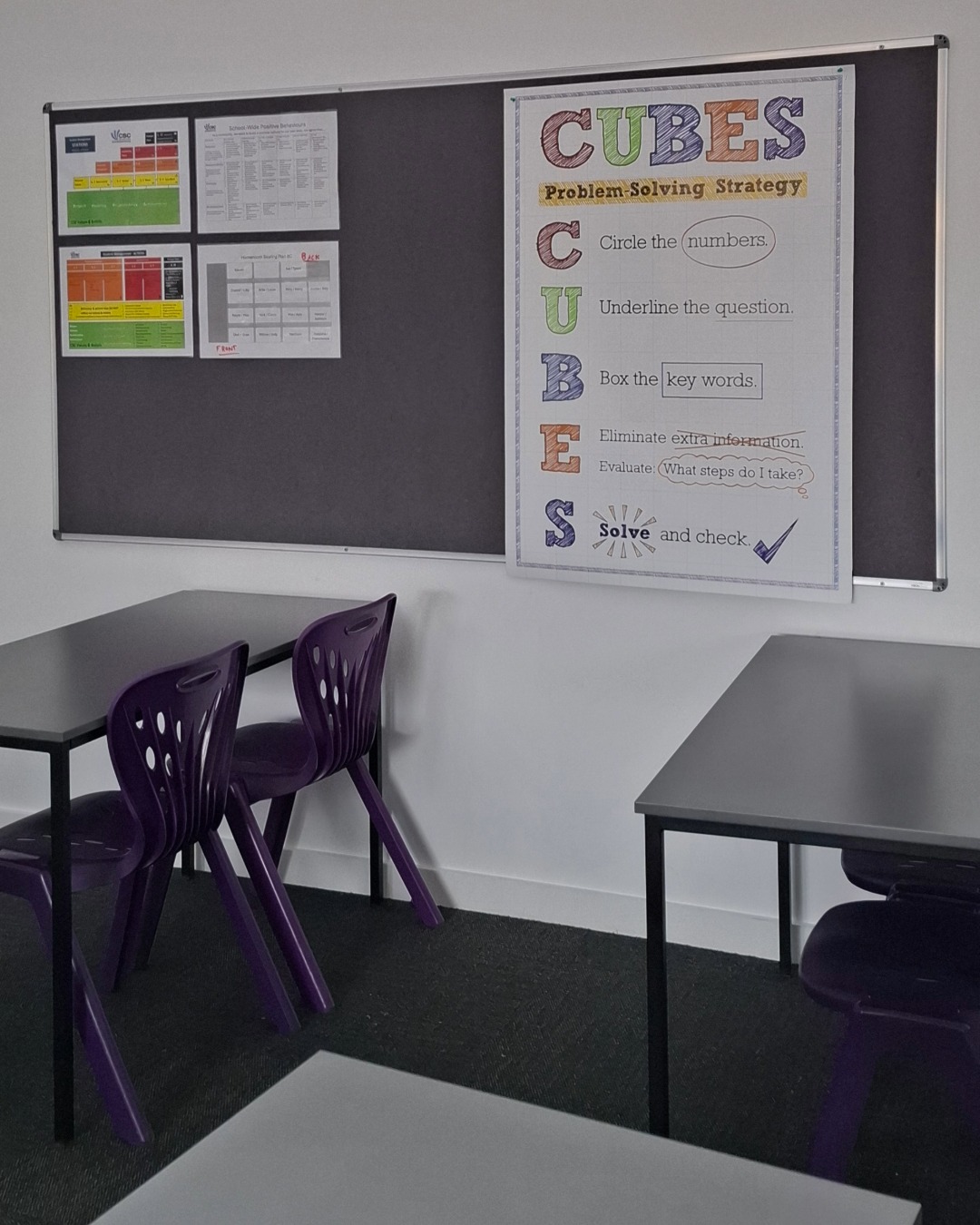
We identified that we didn’t have an instructional model at CSC, which meant there was little continuity in instructional practices across classrooms. At the same time, staff were noticing that some learning environments didn’t feel calm or structured to support effective learning – for both students and teachers.
These insights, together with declining NAPLAN results, became an important catalyst for change. Ingrid’s passion for education research led her to work closely with our Learning Specialist to investigate evidence-based approaches that could improve the school’s literacy practices.

Structured literacy was our initial focus, leading us to deepen our understanding of literacy practices and use these strategies to drive broader instructional improvement. At the same time, we began working on an instructional model and considering what this should look like in practice. We leaned into the Science of Learning and Rosenshine’s Principles of Instruction – two frameworks that have driven our work. As a result, the Science of Learning and structured literacy were our gateway into explicit instruction.
Initially, we looked at various instructional playbooks, lesson models and templates, thinking that lesson plans were all the same. However, we realised we needed be specific and purposeful about what we were doing and what that would look like.

As part of our research, we visited Mount Rowan Secondary College in Ballarat to see their structured literacy approach in a secondary setting. Conducting Dynamic Indicators of Basic Early Literacy Skills (DIBELS) screening also helped us paint a clearer picture of our learners’ needs and the extent of the literacy challenges within our school. Once we analysed the results, we started rolling out changes aligned with our new approach.
Based on the initial data, we chose to focus our efforts on our year 9 cohort, whose Progressive Achievement Test (PAT) and NAPLAN literacy results had been consistently low. While these students were confident verbal communicators, they struggled with reading, reinforcing the need for a targeted, evidence-informed strategy.
Over the next six months, we saw improvements in both DIBELS and PAT testing data. The growth we observed within the year 9 cohort confirmed we were on the right track, and this success prompted us to expand the approach across other year levels.
What processes, routines, and organisation approaches have you put into place to support and sustain your teaching model, and how are these built into the day-to-day work of teachers?
Over recent years, the school has undergone significant periods of change, and the shift in NAPLAN results has helped strengthen confidence in our approach. To sustain this work, we focus on building shared practice and embedding the evidence-informed principles into everything we do, including the induction of newer staff and teacher aides.

Staff now see the tangible benefits of collaboration, so we’ve designed a number of structural supports to make this a normal part of everyday practice. For example, years 7 to 10 English and Maths classes are timetabled in blocks, and teachers have common planning time. This allows for real-time collaboration, co-planning and support, which is particularly valuable for early career teachers who might otherwise feel overwhelmed. It avoids that ‘sinking feeling’ that can come with being a new teacher. Those specific strategies also make planning more manageable and sustainable for everyone.
We’ve also built time release into the schedule to ensure teams can maintain a strong focus on building a shared understanding of learners needs. This sits alongside a deliberate meeting structure that reinforces shared expectations and collective responsibility. Middle leaders play an active role in these sessions to ensure consistency and to strengthen our professional learning culture.
Importantly, our leadership team teaches as well. This model of “leading from within” means Assistant Principals and Principals are part of the practice, which reinforces expectations, supporting staff, and modelling the approach we’re embedding across the school.
What positive impact has this initiative had on staff and how have you seen staff grow and develop their practice?
Staff opinion data shows a significant improvement in collaboration and instructional leadership since the initiative was introduced. Middle leaders play a crucial role in this growth, working across teams to reinforce consistent messages and strengthen our collaborative approach.

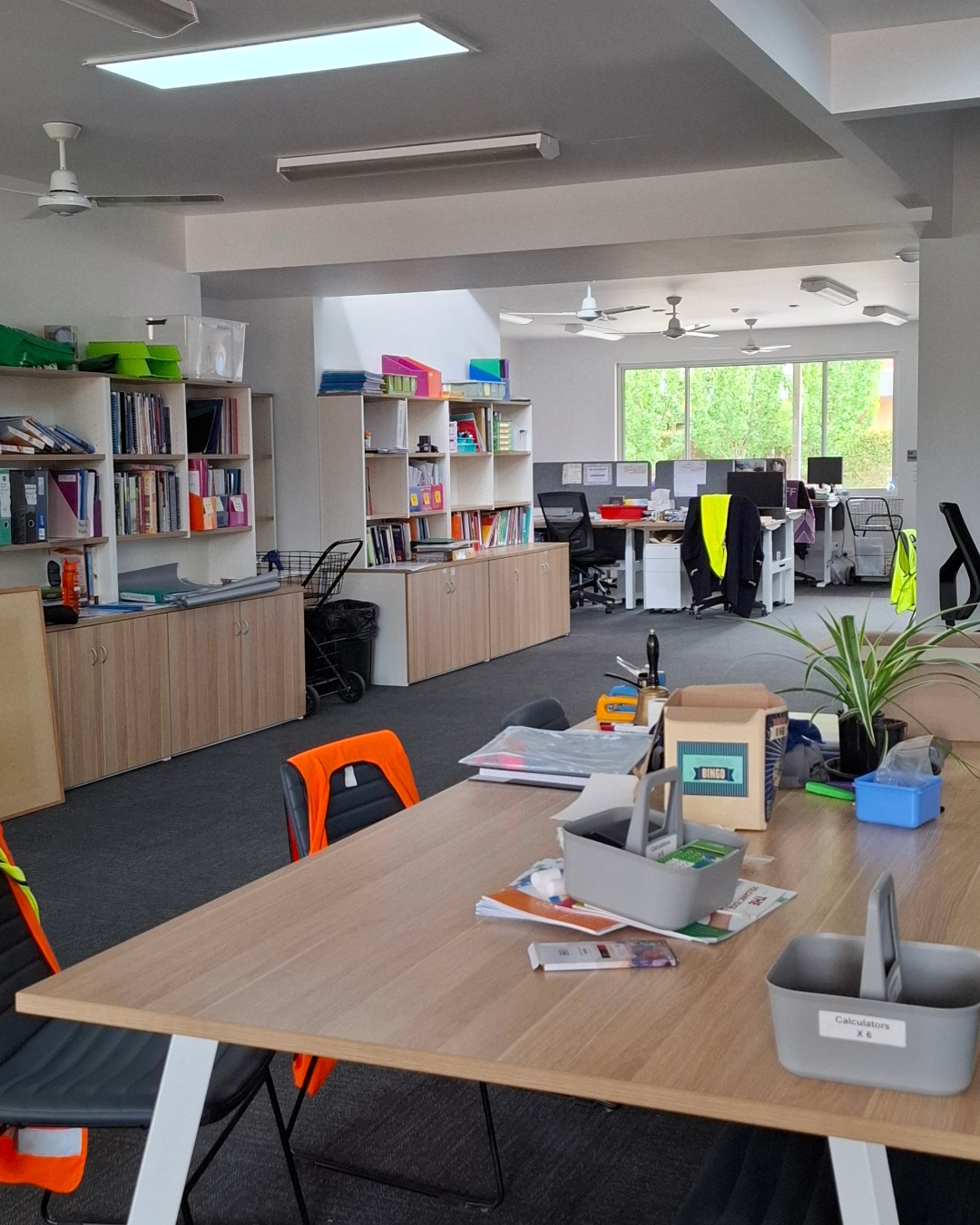
A major benefit has also been improved staff wellbeing. By updating staff facilities and grouping them together, we’ve created spaces where professional conversations can happen naturally. These organic, day-to-day conversations have shifted the culture towards continual improvement and shared responsibility.
Because our work is narrow and specific, staff feel more confident in the value they add. Our shared focus on engagement and wellbeing, which are essential foundations for improved learning, has also strengthened teachers’ ability to design lessons that meet our students’ needs.
Through explicit instruction, staff have seen the positive impact of building students’ confidence as capable learners. This has not only improved student engagement but has reinforced for teachers the effectiveness of the approach, contributing to a positive, empowered professional culture.
What impact has this approach had on student learning outcomes, and can you share any examples that highlight positive changes for learners?
Our approach has had a significant impact on learner outcomes. The 2025 NAPLAN results showed strong growth, which reinforced that we’re heading in the right direction. 80% of our year 9 students achieved medium or high growth, outperforming the state, our network and similar schools. Our explicit focus on improving reading has also had a flow-on effect into other domains, resulting in notable growth in writing results as well.
Beyond NAPLAN, we’ve seen clear improvements in student engagement and attitudes toward school. Our current VCE and VCE Vocational Major cohort have demonstrated stronger connections with the school, which is reflected in improved attendance rates and increased engagement with their teachers. These shifts indicate not only academic growth but also a more positive, supportive and connected learning environment.
How do you plan to further develop and sustain this approach in the future, and what structures or initiatives are in place to support its continued impact?
Our focus is deliberately narrow and specific, ensuring we stay committed to the practices that directly improve learning. Through our recently completed strategic plan, we have reinforced our commitment to the processes and practices that are delivering strong outcomes for both staff and students.

We’ve implemented a new leadership role dedicated to classroom practices and instructional coaching. This role will also focus on following a formalised coaching platform using Steplab, an evidence-based professional development approach that aligns closely with the Science of Teaching. Steplab breaks effective teaching into small, manageable components, helping teachers focus on one specific element of practice at a time. This reduces cognitive load on teachers and allows for meaningful improvement through practice, rehearsal, observation, and sign-off before moving on to the next goal.
This approach has proven valuable for new teachers as well as experienced teachers, who have embraced the clarity and structure of the coaching process. By embedding this model into our ongoing professional learning, we’re ensuring that high-quality teaching remains at the centre of our work and that the impact of our approach is sustained well into the future.
Can you provide any additional relevant information?
We know what the work is and we have the evidence to support this. Our clear and sustainable structures for teaching and learning give us a strong foundation to build on the strategies that have the greatest impact. The next stage is shifting from knowledge to mastery of these practices, so these approaches are consistently and confidently enacted across every classroom.