





Published 20 Jul 2026
Victorian Pathway Certificate in Special Education – Hampden P-12 School

Bradley Adams – Later Years Leader and Assistant Principal
Hampden P-12 School
Schools and early childhood services across Victoria continue to provide quality learning experiences across all levels. Our Professional Practice team is privileged to see this work firsthand on visits to workplaces around the state. Here is just one example spotlighting the great work happening in a Victorian school setting.
Bradley Adams, Later Years Leader at Hampden P-12 School, shares how the school introduced the Victorian Pathways Certificate (VPC) to strengthen post-school pathways for learners with intellectual and other disabilities. Delivered through a structured, inclusive environment, the VPC is a flexible, applied learning program shaped by learner interests and needs. Supported by strong staff capability, community partnerships and real-world learning opportunities, the initiative has enhanced learner engagement, confidence and employability, while creating clearer pathways to further education and work.
Could you tell us about your education setting?
Hampden P-12 School is a dual-campus school in south-west Victoria that supports primary and secondary learners with mild to severe intellectual and other disabilities.
The school operates across two locations. We have a newly built P-6 campus in Terang, which is co-located with Terang College, while the Year 7-12 campus is in Cobden on the same campus as Cobden Technical School. This shared campus arrangement allows our learners to be part of a broader school community while still receiving specialist support.
Learners are supported through a base room model that provides a consistent and structured learning environment. Where appropriate, learners can also attend mainstream classes, particularly in areas where they show strength or interest, including curriculum subjects or trade pathways. Education support staff (ESS) work alongside learners to help them participate in these opportunities.
Teaching staff have Special Education qualifications and are supported by teacher assistants and paramedical aides. Additional services, including physiotherapy, speech pathology and occupational therapy, are provided on a needs basis to respond to each learner’s individual requirements.
Each learner has an Individual Education Plan tailored to their abilities, strengths and interests. Their plans are aligned with the Victorian Curriculum and are developed and implemented in consultation with families and specialists. Parents and guardians work in partnership with teachers, recognising the important role this plays in supporting positive educational outcomes.
Learners can access all Victorian Curriculum learning areas, with our primary campus including Auslan as its LOTE subject. Our secondary campus does not access a LOTE subject.
What led you to develop this initiative, and how did you put it into practice?
This initiative was developed to strengthen post-school pathways and improve access to recognised qualifications and employment opportunities. I realised our unrecognised Year 12 certificate, along with our school name, was creating barriers for learners seeking Structured Workplace Learning and jobs.
In 2022, in my role as the Later Years leader, I reviewed these challenges and began exploring alternative pathways. I enrolled two learners in the VCAL program at Cobden Technical School in 2022 and 2023 and experienced success, however this option was not accessible to all our learners.

With the introduction of VPC in 2024, I saw an opportunity to implement a recognised and more inclusive qualification within our school. The VPC enables learners with intellectual disability to achieve a recognised certificate alongside their peers, supporting stronger transitions into adult life.
To support this work, I approached other local special and mainstream schools to identify effective approaches and adapt these to suit our cohort to enable success. I’ve kept in contact with these teachers to continue sharing ideas and work collaboratively as a cluster within a Community of Practice. I then worked with leadership and staff to present the proposal, where we discussed the units, requirements, our policies and intentions, leading to unanimous support towards the change.
I led the application to VCAA and developed a two-year curriculum and assessment plan aligned with learner needs and school priorities. The program has now completed its first two-year rotation, with all learners successfully receiving their certificate.
How do you design and sustain your VPC curriculum to meet learner needs and ensure your approach is sustainable?
The Hampden VPC curriculum is shaped each year around our learners’ interests and future pathways, so learning feels relevant and accessible. We adapt the curriculum carefully to support all learners, with applied learning at the centre of our approach. Tools like Positive Classroom Management Strategies and the Victorian Teaching and Learning Model 2.0 guide consistent planning of units and lesson plans.
Consistency is supported through clear processes. VPC-specific policies set expectations, while planning is guided by shared Hampden VPC units and overseen by the Assistant Principal. Assessment is moderated collaboratively before being presented to leadership, helping ensure fairness and clarity.

Strong community connections also play a key role. We work with
- our local council to encourage learners to have their say and explore what the surrounding shires have to offer
- district nurses and mental health agencies to support learning in personal development, and
- Neil Porter Legacy and local businesses to engage in work-related skills.
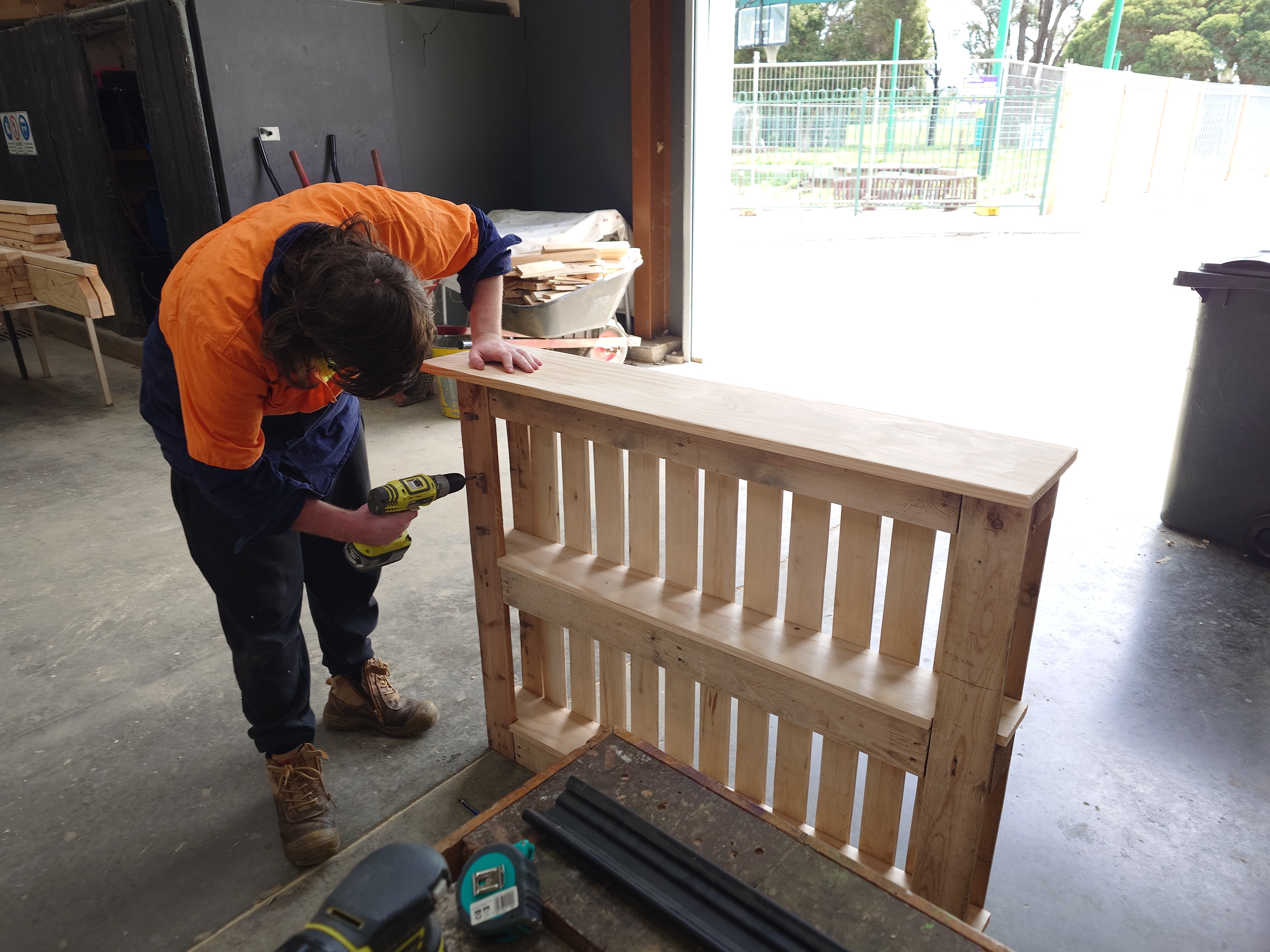
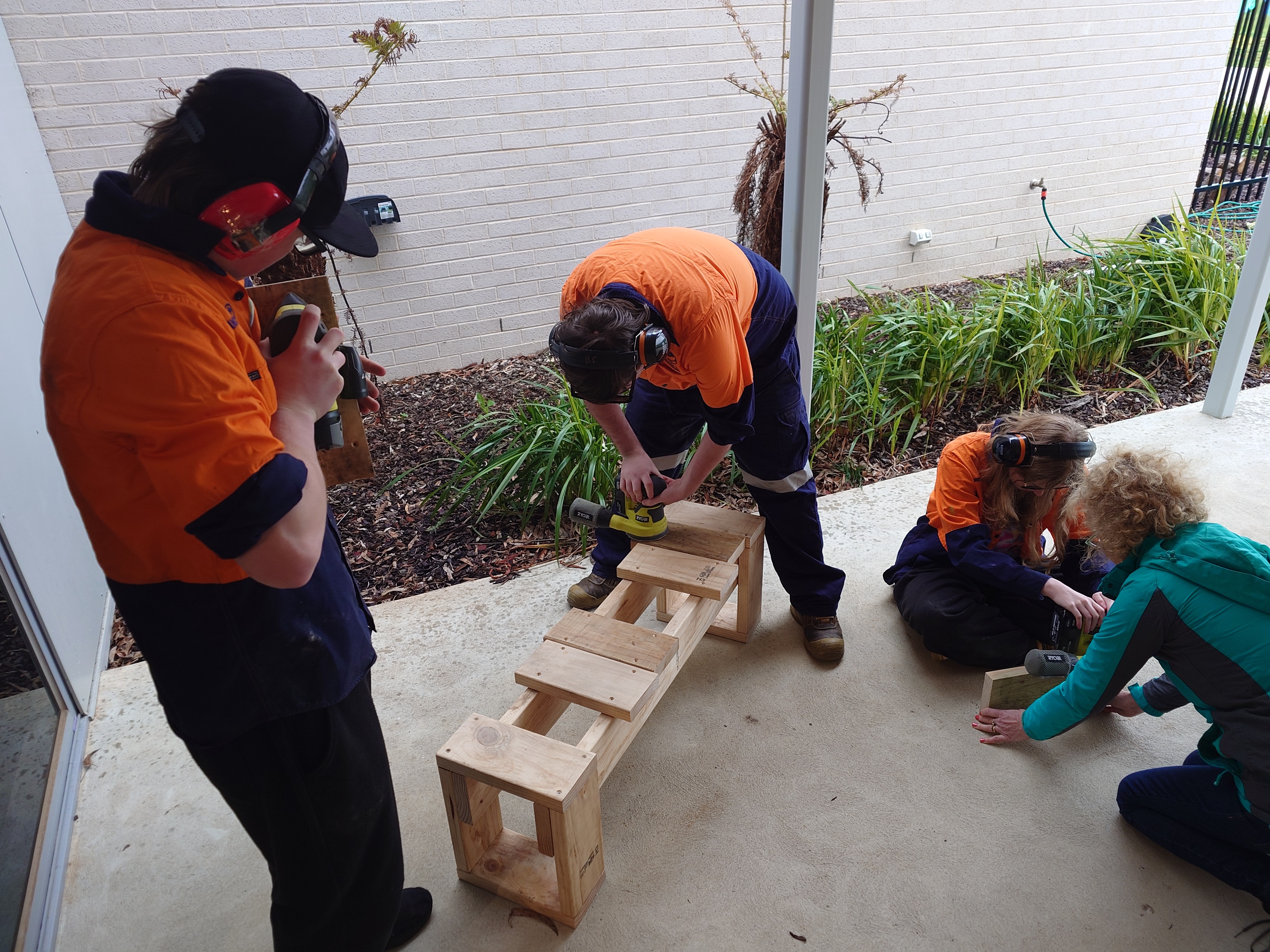
The VPC structure itself supports sustainability. Learners need to earn 10 credits over two years across key learning areas (Literacy, Numeracy, Personal Development Skills and Work-Related Skills), with flexibility to access VET and Structured Workplace Learning. This approach creates multiple pathways for success and allows learners to progress at their own pace.
How has this initiative supported staff capability, and what impact has it had on their confidence and practice?
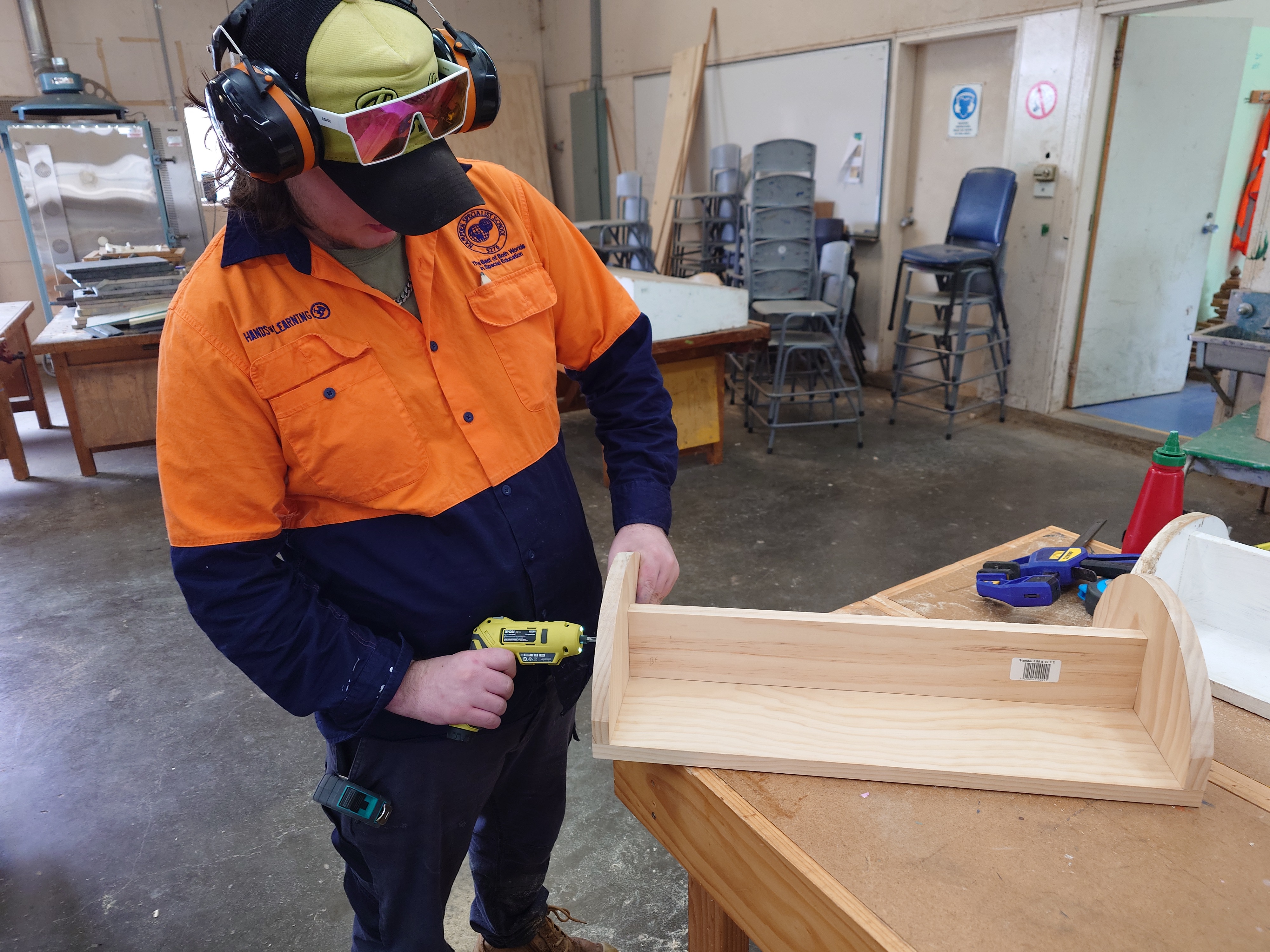
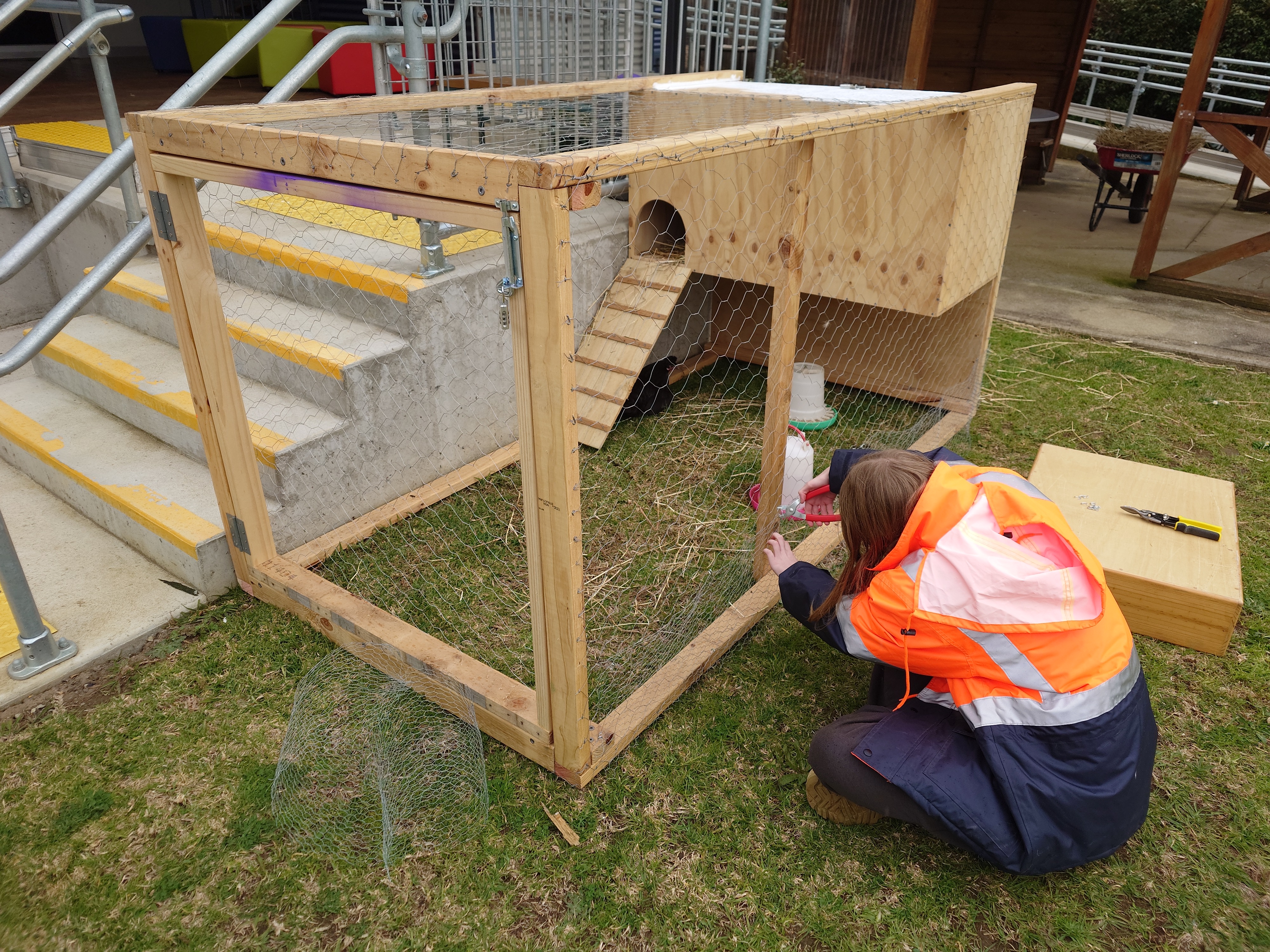
From the outset, we allocated a full-time ESS member in the program to develop a clear understanding of VPC and provide ongoing support across learning activities that often extend over multiple sessions. As the program expanded, a second ESS was introduced to support a newly trained teacher, helping maintain stability for learners.
This consistent presence has strengthened targeted support in the classroom. Our ESS staff are familiar with program expectations and can confidently run small group work, responding to learner needs across different unit areas. Their growing confidence has led to broader contributions within the program and opportunities to take on further roles across the school.
We also support collaboration and access through Google Apps for Education (GAFE), creating a curriculum that can be accessed both in class and at home. This approach has helped staff build their technology skills alongside students, strengthening teaching and learning across the program.

One ESS member shared, “The program has given me more confidence in knowing that I have the ability to contribute to the students learning and seeing the outcome of them developing the skills to go out in the workplace. I feel valued and equal with the other staff in the role, I realise I can offer a lot more to the students than I thought as an ESS”.
How has this approach improved learner outcomes, and can you share any examples of positive changes for learners?
Since introducing the VPC, our learners’ employability outcomes have improved significantly. The Work-Related Skills unit builds confidence in job applications, interview skills, presentations and workplace OHS. This is reinforced through Structured Workplace Learning, where learners gain real-world experience, reflect weekly, and develop a clear understanding of workplace expectations. Alongside this, VPC supports mental health, social and life skills that learners can apply in their everyday lives.

One learner, who was previously unsettled, disruptive and disengaged, was considering leaving school at the end of Year 10. The VPC’s applied learning model, with its structured and predictable approach, helped regulate his behaviours and re-engage him in learning.
Through Structured Workplace Learning, he developed practical skills and the motivation to complete his certificate while exploring suitable career pathways. The program’s flexibility, including student voice in how learning is delivered and assessed, alongside a strong focus on mental health and coping strategies, has transformed his attitude towards school.
What are your workplace’s plans to build on this approach, and how will you sustain and expand its impact?
Last year, we engaged the entire VPC cohort in a Certificate II TAFE course, with a teacher and ESS providing on-site support. All learners successfully achieved the qualification.
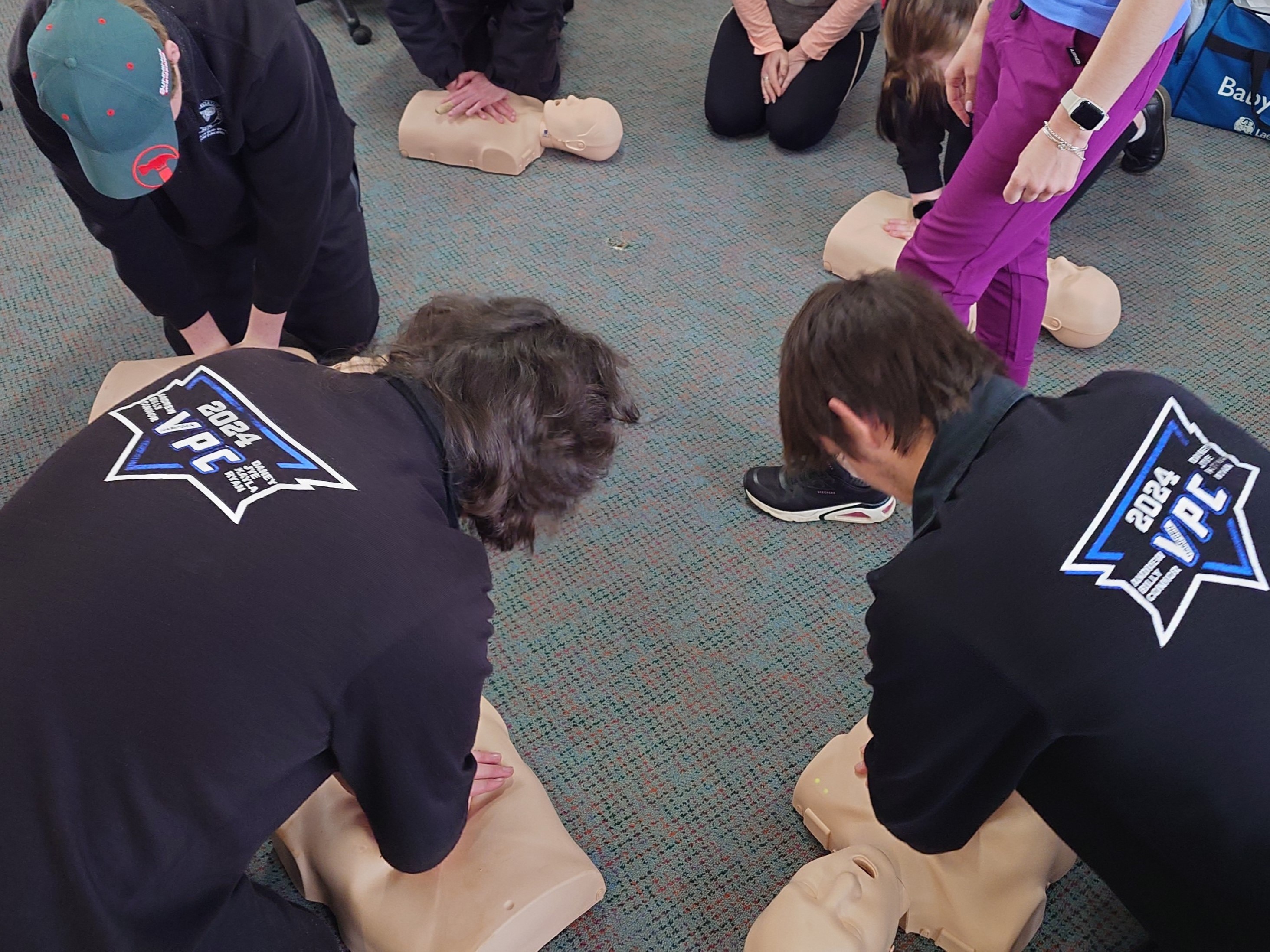
Following this success, we plan to offer the program every second year. VPC continues to support learners to gain accredited qualifications, supplemented by TAFE short courses across their two-year journey, including Coffee Making, First Aid Level 2 and Safe Food Handling. We are also exploring additional courses, such as Responsible Serving of Alcohol, as they align with learner interests.
This year, we introduced VPC Art and Design to our curriculum, allowing learners to gain an additional credit each year, with potential to expand into VPC Food Studies in the future.
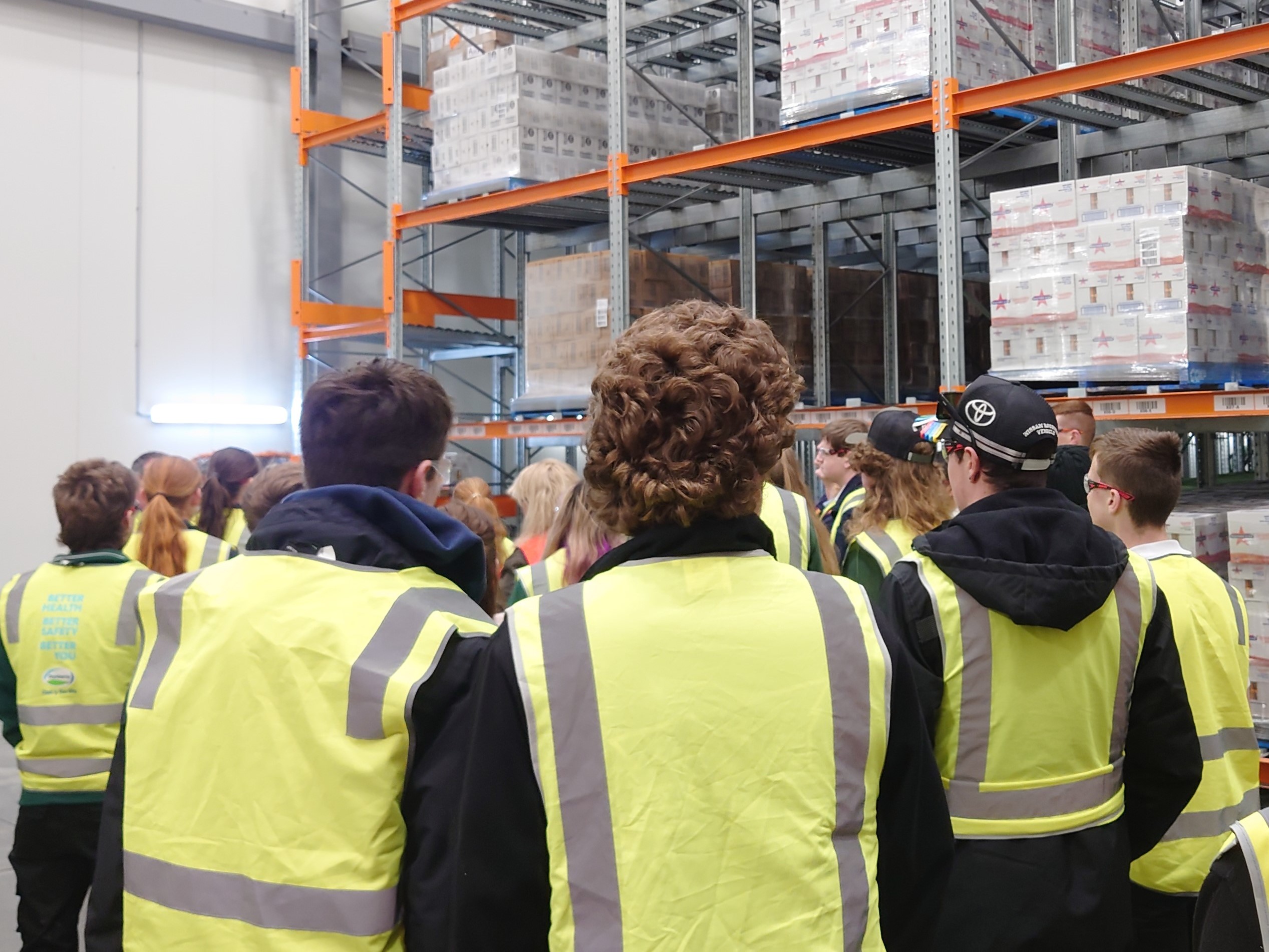
We also partner with the Neil Porter Legacy to provide workplace experiences that would not otherwise be accessible, including tours of local gas plants and dairy industries. We will continue to build this partnership, aligning opportunities with learners interests to provide meaningful, real-world insights.