






Published 14 Sep 2026
Creating connection through sustainability, wellbeing and hands-on learning at Wendouree Primary School

Stephen McNeight – Garden Specialist and Sustainability Coordinator, Natalie Vercoe – Kitchen Specialist and Rebecca Prentice – Years 4 and 5 Teacher
Wendouree Primary School
Schools and early childhood services across Victoria are creating innovative learning environments that support learner wellbeing, engagement and success. At Wendouree Primary School in Ballarat, a program that began with a Kitchen Garden initiative has evolved into a whole-school approach that brings together sustainability, inclusion, hands-on learning and community partnerships.
In this Excellence in Teaching story, teachers Rebecca Prentice, Stephen McNeight and Natalie Vercoe share how the school's CREATE program has grown over time, the impact it’s had on the school community, and how a strong focus on connection, belonging and learner voice is helping every learner to thrive.
Could you tell me about the school?
Located in Ballarat, Wendouree Primary School is a welcoming and inclusive school community set on approximately five acres of land. With an enrolment of around 120, the school reflects the diversity of the local community, including learners from a range of cultural backgrounds, with some speaking English as an additional language, and Aboriginal and Torres Strait Islander learners.
The school offers a broad curriculum supported by specialist programs including Italian, Physical Education, Respectful Relationships, Art, Kitchen Garden and CREATE. These programs help learners develop their knowledge, skills and confidence across a range of learning areas.
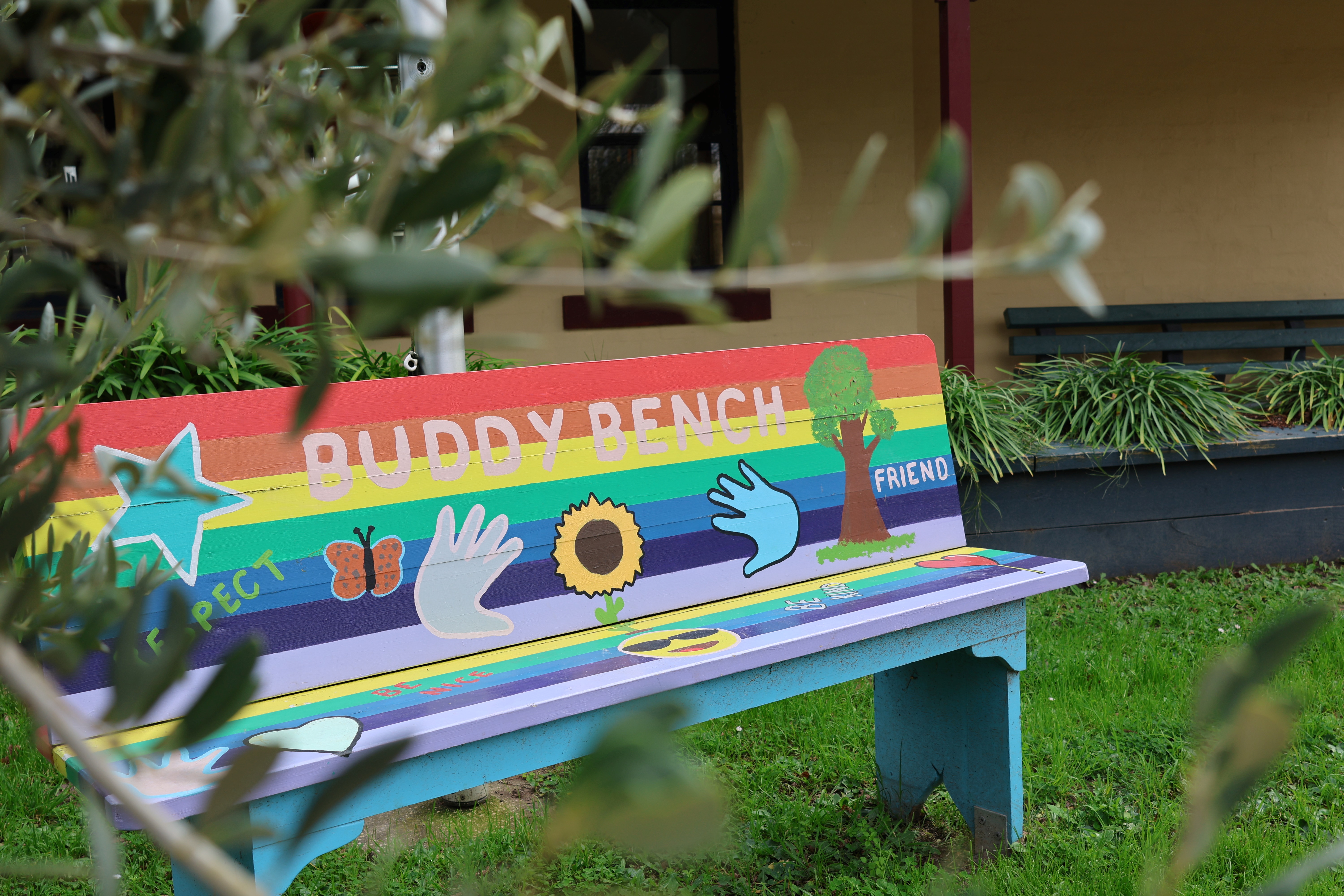
Sustainability, wellbeing and inclusion are an important part of everyday school life. Learners benefit from extensive outdoor learning spaces, including productive gardens, animals, nature play areas and dedicated learning environments that support their growth and development.
Together, these experiences help create a positive and connected learning environment where learners are encouraged to explore their interests, build strong relationships and thrive both inside and outside the classroom.
Could you tell us how this initiative began and what has shaped its development over time?
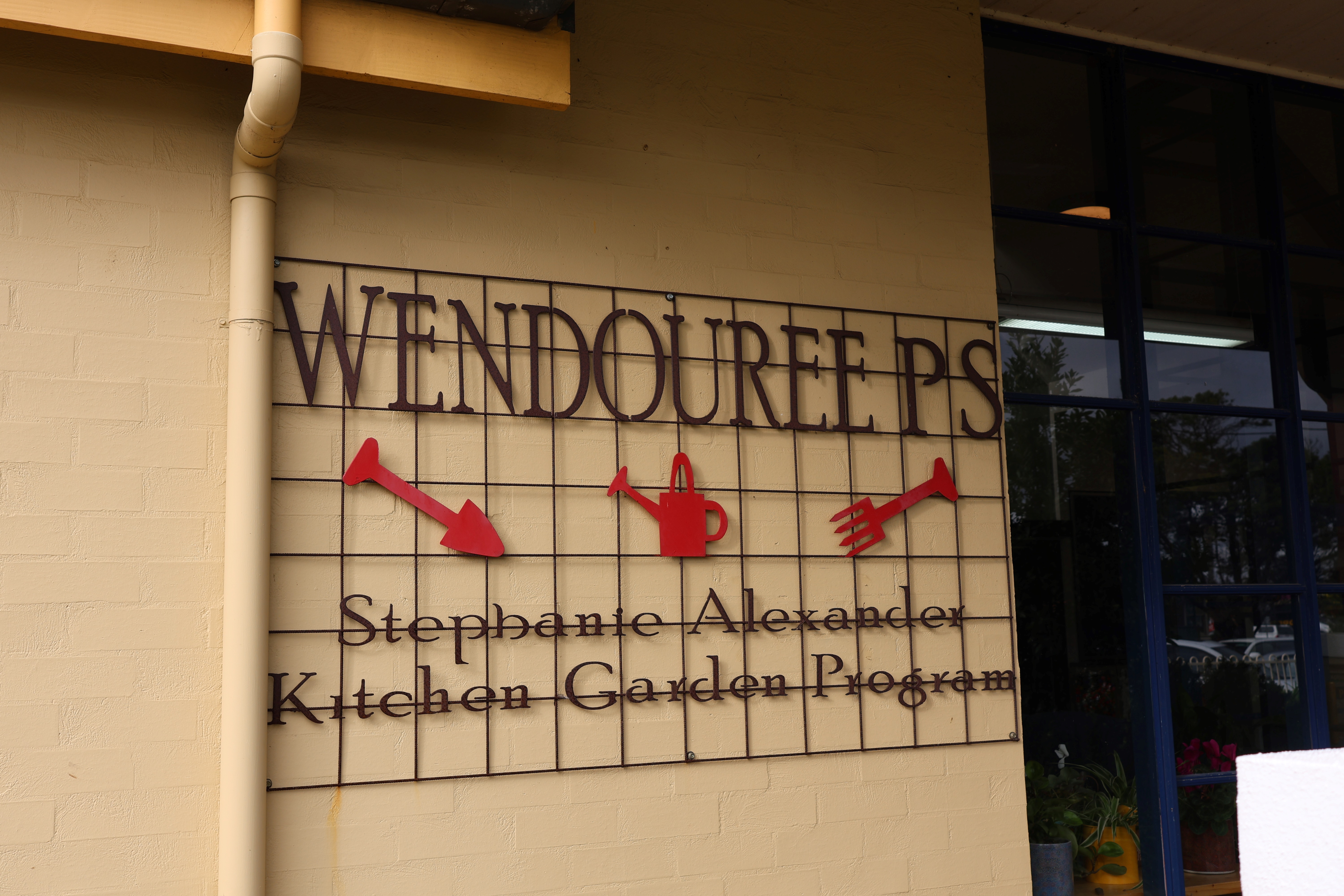
The journey began in 2006 when our Principal Christine Branagh secured one of the first Stephanie Alexander Kitchen Garden Program grants awarded in Victoria. At the time, the school had limited garden infrastructure, but a clear vision existed to transform the grounds into a vibrant learning environment that would connect learners with food, sustainability and wellbeing.
Over time, the Kitchen Garden Program grew into much more than a gardening and cooking initiative. It became the foundation for CREATE, a flexible learning program designed to support learners who may experience challenges in traditional classroom settings.
Now led by Stephen McNeight and Natalie Vercoe, CREATE was developed to provide learners with opportunities for hands-on learning, self-regulation and success. Staff recognised that some learners thrive when they can engage in practical tasks, be active and participate in learning experiences that build confidence beyond conventional classroom settings.
Several key influences have shaped the program's development. The school draws on the work of Dr Bruce Perry and trauma-informed practice, recognising the importance of strong relationships, emotional regulation and creating safe learning environments.
The work of Sir Ken Robinson has also informed the school's philosophy, particularly the belief that success can be measured in many ways and that every learner should have opportunities to discover their strengths and pursue a meaningful future.
The program expanded significantly following the COVID-19 pandemic, when staff observed the benefits of reconnecting learners with outdoor learning, nature and practical experiences. Kitchen, garden and CREATE sessions became a powerful way to support wellbeing while maintaining strong connections to the curriculum.
What has helped make this initiative successful and sustainable over time?
A whole-school approach has been central to the success of the initiative. Kitchen Garden and CREATE staff are active participants in Professional Learning Community (PLC) meetings alongside teaching staff, ensuring these programs are embedded within teaching and learning rather than operating as stand-alone initiatives.
This collaborative approach allows learning experiences to connect meaningfully with classroom programs across literacy, numeracy, science and other curriculum areas. For example, learners might explore measurement concepts through garden projects, investigate sustainability through literacy activities, or engage with cultural learning through cooking experiences.
The program is also closely aligned with the school's ResourceSmart Schools journey. Sustainability is brought to life through a range of initiatives, including
- comprehensive recycling and composting systems
- diverting food waste through composting and chicken feeding programs
- partnerships with local organisations to support container recycling
- biodiversity projects across the school grounds
- learner-led sustainability and environmental action projects.
Strong community partnerships are another key part of the program’s success. The school works closely with organisations including Zoos Victoria, Landcare, Rotary, local Indigenous artists, Wendouree Men's Shed, disability employment services and neighbouring schools. These partnerships create authentic learning opportunities and help learners build connections beyond the school gate.
Shared ownership has been critical to ensuring the program’s long-term stability. Rebecca Prentice, a Years 5 and 6 teacher and strong advocate for the initiative, says the program is embedded in everyday practice rather than relying on a small number of individuals.

“I feel like we all learn something by working together.”
Rebecca Prentice – Years 4 and 5 Teacher
Teachers and support staff are encouraged to contribute ideas, participate in professional learning and integrate the program’s principles across all areas of school life. This collective approach helps ensure the initiative continues to grow and evolve while remaining a valued part of the school’s culture.
How has this initiative supported professional growth and learning for staff?
One of the most significant benefits of the initiative has been the development of a strong collaborative culture across the school.
Teachers, education support staff and specialist staff regularly share ideas, resources and expertise. Through this collaborative approach, staff have deepened their understanding of sustainability, wellbeing, trauma-informed practice and curriculum integration.
The inclusion of Kitchen Garden and CREATE staff in PLC meetings has also strengthened communication and collaboration across the school. Rather than working in separate teams, staff work together to support learner engagement and achievement. This enables classroom teachers to draw on specialist expertise while ensuring Kitchen Garden and CREATE experiences complement and extend classroom learning.
"We're quite often planning around classes, whether it's cooking food from different countries, science, numeracy or measurement."
Natalie Vercoe – Kitchen Specialist
The initiative has also created valuable opportunities for professional learning. Through partnerships with community organisations, access to professional learning and ongoing collaboration, staff continue to expand their knowledge, skills and confidence.
Perhaps most importantly, the program has strengthened staff understanding of learner wellbeing. Working with learners in different settings allows staff to build stronger relationships and gain deeper insights into individual strengths, needs and interests. These insights help inform strategies that support engagement, wellbeing and success across all learning environments.
What impact has this initiative had on learners?
The impact of the initiative can be seen across many aspects of learners’ development, from wellbeing and confidence to engagement and academic outcomes.
At its heart, the initiative provides opportunities for every learner to experience success. For learners who may find traditional classroom settings challenging, CREATE and Kitchen Garden sessions offer different ways to engage with learning, develop new skills and build confidence.
Staff have observed positive changes in self-regulation, social skills and wellbeing. Through practical experiences and supportive relationships, learners develop strategies to recognise their emotions, manage challenges and return to learning when they feel overwhelmed.
"The hope is that they go back into the classroom ready to learn because they are more regulated."
Stephen McNeight – Garden Specialist and Sustainability Coordinator
The hands-on nature of the program also helps learners develop confidence and a sense of responsibility. Whether caring for animals, growing produce, preparing food, welcoming visitors or leading environmental projects, learners are encouraged to contribute meaningfully to their school community.
One particularly memorable example involved a learner who confidently presented to a large audience, despite initially feeling very nervous. She later reflected on how her confidence had grown through years of participation in the Kitchen Garden and CREATE programs, where she had been encouraged to take on leadership opportunities and share her voice.
The initiative has also strengthened learners’ sense of belonging. For many, the garden, kitchen and CREATE spaces provide safe and supportive environments where they feel connected, valued and included. Former learners often return to visit the school and reconnect with the spaces and projects they helped create, reflecting the lasting impact these experiences have had on their learning journey.
Together, these outcomes demonstrate how the initiative supports not only academic learning, but also the wellbeing, confidence and skills learners need to thrive at school and beyond.
How do you plan to build on this work in the future?
The school is focused on building staff capability and ensuring the benefits of the program continue to reach more learners.
A key priority is supporting more staff to incorporate CREATE-style practices into everyday teaching and learning. This includes helping staff identify opportunities for short, purposeful regulation activities that support wellbeing throughout the school day.
The school also plans to further strengthen its community partnerships and continue sharing its knowledge and expertise with other schools. Increasingly, neighbouring schools are visiting Wendouree Primary School to learn more about our integrated approach to sustainability, wellbeing and inclusion.
Our long-term vision is to expand the program’s impact within the school community and beyond. We hope to demonstrate how sustainability, wellbeing and inclusion can work together to support positive outcomes for learners.
While every school’s context is different, we believe the principles underpinning the initiative, including connection, belonging, hands-on learning and student voice, can be adapted to a wide range of settings.
Above all, the school remains committed to ensuring the program continues to evolve in response to the needs of its learners. By maintaining a focus on wellbeing, inclusion and meaningful learning experiences, Wendouree Primary School aims to create an environment where every learner feels safe, connected and capable of success.
Is there anything else you’d like to share about the initiative?
What began as a Kitchen Garden Program has grown into a whole-school approach that brings together sustainability, wellbeing, learning and community partnerships. Over time, it has shown the value of strong relationships, hands-on learning and shared responsibility in creating meaningful experiences for learners.
"If students are connected, they feel secure and happy, and they will do the harder tasks."
Rebecca Prentice – Years 4 and 5 Teacher
At Wendouree Primary School, the garden, kitchen and outdoor spaces are much more than places for learning activities. They’re places where learners can build confidence, develop self-regulation skills, strengthen their sense of belonging and discover new ways to succeed.
The initiative highlights how wellbeing, inclusion and sustainability can work together to support learner growth and engagement. Through authentic, hands-on experiences, learners develop practical skills, build meaningful connections and gain confidence in their ability to contribute to their school and wider community.
Most importantly, the program reflects the school’s commitment to creating a learning environment where every learner feels supported, valued and capable of success.